Mastering Blog Content Planning: A Beginner's Guide to Success
Welcome to the world of blog content planning, where organization and creativity meet. In this tutorial, you'll learn the ins and outs of planning engaging, informative, and SEO-friendly content that resonates with your target audience. Whether you're a seasoned blogger or just starting out, this guide will walk you through the process of developing a solid content strategy that drives traffic, boosts engagement, and establishes your brand as an authority in your niche. By the end of this tutorial, you'll be equipped with the knowledge and skills to plan and create high-quality blog content that attracts and retains a loyal following.
Step 1: Define Your Niche and Target Audience for Effective Blog Planning
To create content that resonates with your audience, you need to understand who they are, what they're interested in, and what problems they're trying to solve. Start by defining your niche and identifying your target audience. Ask yourself questions like: What topics do I want to cover? Who are my ideal readers? What are their pain points, and how can I address them through my content? For example, if you're a fashion blogger, your niche might be sustainable fashion, and your target audience might be eco-conscious millennials. 
Step 2: Conduct Keyword Research for Blog Content Planning
Keyword research is a crucial step in blog content planning. It helps you identify relevant terms and phrases your target audience uses to search for content like yours. Use tools like Google Keyword Planner, Ahrefs, or SEMrush to find keywords with high search volume and low competition. Make a list of primary and secondary keywords, and use them to create a content calendar that addresses your audience's needs and interests. For instance, if you're a beauty blogger, your primary keyword might be "natural skincare routine," and your secondary keywords might include "organic skincare products" and "DIY face masks."

Step 3: Develop a Content Calendar for Blog Planning
A content calendar is a plan that outlines what content you'll create, when you'll publish it, and how you'll promote it. It helps you stay organized, ensures consistency, and saves time in the long run. Use a spreadsheet or a tool like Trello or Asana to create a calendar that includes columns for date, topic, keyword, format (e.g., blog post, video, or social media post), and status (e.g., draft, published, or pending). Fill in your calendar with content ideas, and make sure to leave some room for flexibility and spontaneity. For example, you might plan to publish a blog post on "summer fashion trends" in June, followed by a video on "how to style a sundress" in July.
Step 4: Create Engaging Headlines and Introductions for Your Blog Content
Your headline and introduction are the first things your readers see, and they can make or break your content's success. Craft headlines that are attention-grabbing, informative, and optimized for SEO. Use action verbs, questions, or statements that create curiosity and encourage clicks. For example, "10 Ways to Boost Your Blog Traffic Overnight" or "The Ultimate Guide to Creating a Successful Blog." When it comes to introductions, keep them concise, engaging, and relevant to the topic. Use storytelling techniques, statistics, or thought-provoking questions to draw your readers in and set the stage for the rest of the content.
Step 5: Write High-Quality, SEO-Friendly Content for Your Blog
High-quality content is the backbone of any successful blog. It should be informative, engaging, and optimized for SEO. Use your keyword research to create content that addresses your audience's needs and interests. Make sure your content is well-structured, easy to read, and includes relevant images, videos, or other multimedia elements. Use subheadings, bullet points, and short paragraphs to break up the text and improve readability. Optimize your meta title, description, and headings for SEO, and include internal and external links to enhance credibility and user experience. For example, if you're writing a blog post on "the benefits of meditation," you might include a video on "how to meditate for beginners" and link to a relevant study on the topic.
Step 6: Edit, Proofread, and Optimize Your Blog Content
Editing, proofreading, and optimizing your content are crucial steps in the blog content planning process. Review your content for grammar, spelling, and punctuation errors, and make sure it's free of bias and inaccuracies. Use tools like Grammarly or Hemingway Editor to help with the editing process. Optimize your images by adding alt tags, descriptions, and compressing them to reduce file size. Use header tags (H1, H2, H3, etc.) to structure your content, and include a clear call-to-action (CTA) at the end of each post. For example, you might ask your readers to share their thoughts in the comments or sign up for your newsletter.
Step 7: Promote and Distribute Your Blog Content
Promoting and distributing your content is essential to reaching a wider audience and driving traffic to your blog. Use social media platforms like Facebook, Twitter, and Instagram to share your content, and engage with your followers by responding to comments and messages. Collaborate with other bloggers or influencers in your niche to reach new audiences and build relationships. Use email marketing to share your content with subscribers, and include a clear CTA in each email. For example, you might ask your subscribers to share your content with their friends or family members.
Frequently Asked Questions (FAQs) About Blog Content Planning
Q: How often should I publish new content on my blog? A: The frequency of publishing new content depends on your audience, niche, and resources. Aim to publish at least one high-quality post per week, but prioritize quality over quantity. Q: What's the best way to measure the success of my blog content? A: Use analytics tools like Google Analytics to track your website traffic, engagement, and conversion rates. Monitor your social media metrics, email open rates, and subscriber growth to gauge the effectiveness of your content. Q: How can I stay up-to-date with the latest trends and best practices in blog content planning? A: Follow industry leaders, attend webinars and conferences, and participate in online communities related to your niche. Stay curious, and always be willing to learn and adapt to changes in the blogging landscape.
Transform Your Content Creation With This Blogging Planner - Homeschool
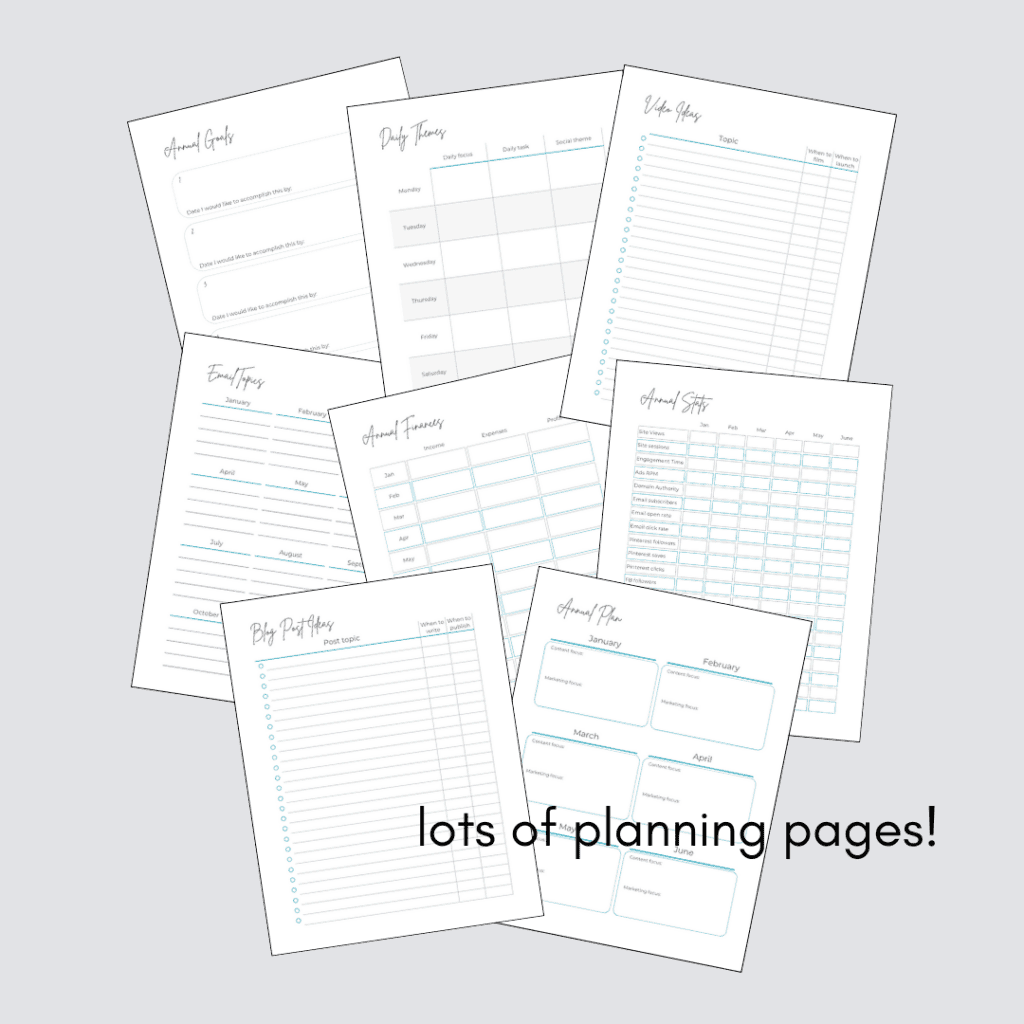
Transform Your Content Creation With This Blogging Planner - Homeschool ...
The Best Blog Content Planner For New Bloggers - Abby Flynn
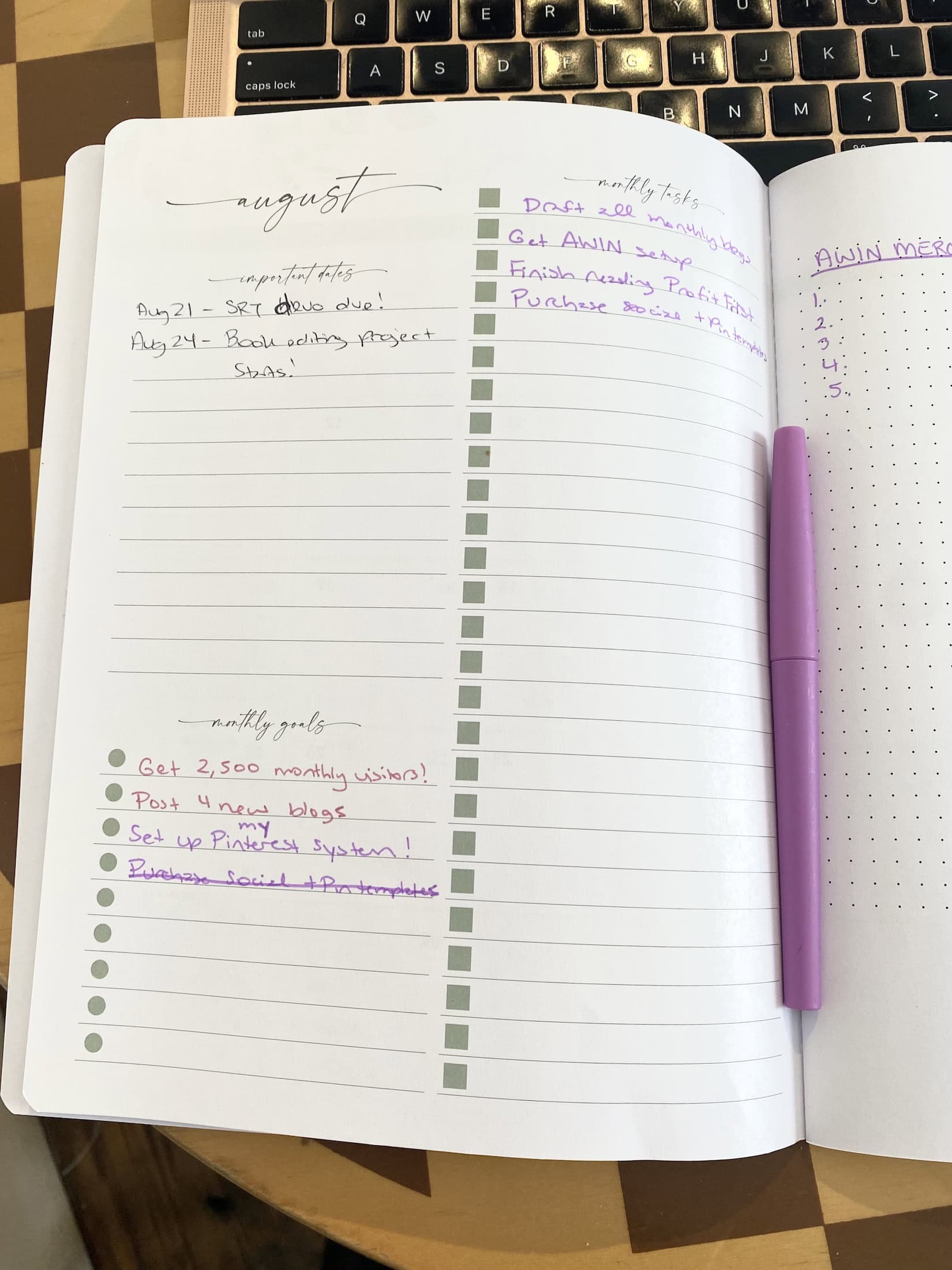
The Best Blog Content Planner for New Bloggers - Abby Flynn
Blog Content Planning 101: - The Gorgeous Life | Blog Content, Increase

Blog Content Planning 101: - The Gorgeous Life | Blog content, Increase ...